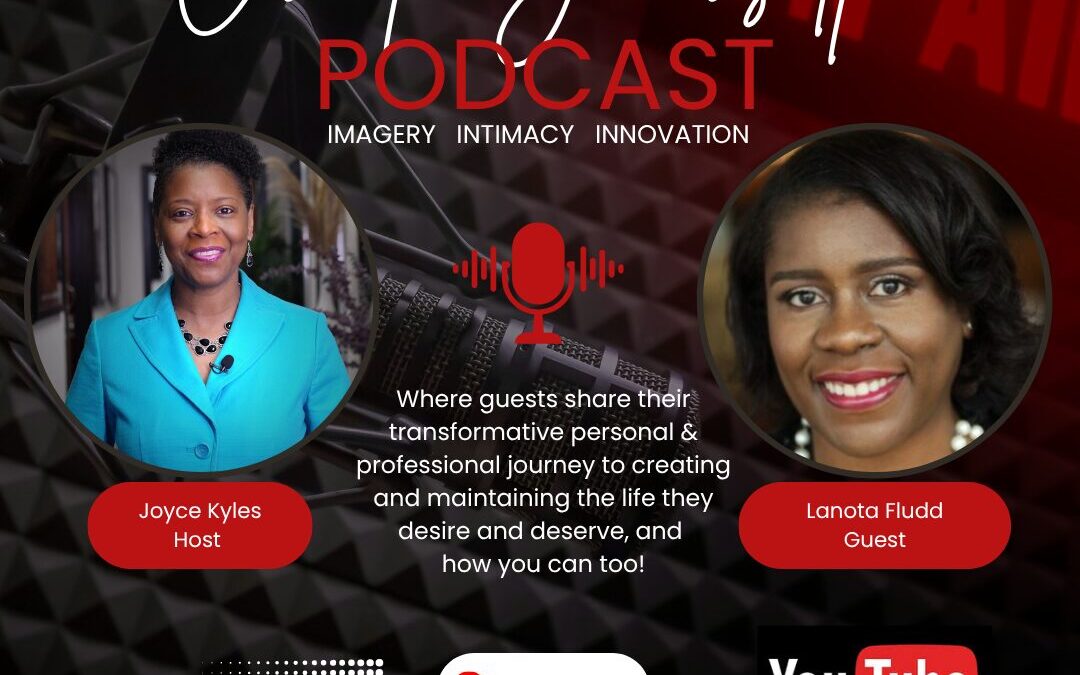
Lanota is a dual master level clinician. She received a Master’s in Public Administration from the University of Maryland System in 2012. She received an M.Ed. in 2017, from Liberty University. Lanota is a licensed professional counselor who, for the last several years, has worked in the field, serving in several roles, from therapist to enrollment.
Lanota has spoken for the Fulton County School District, The Nurses Association of Georgia, The City of Atlanta, The Gathering Spot, and several nonprofits. Lanota also serves as Vice President of Guide My Heart, a non-profit organization here in Georgia, and on the board of Beautiful Butterflies Inc., based in Maryland.
Education
· Bachelor of Arts (Sociology), University of South Carolina
· Master of Public Administration, University of Baltimore
· Master of Education, Liberty University
Licensure, Certifications, and Professional Affiliations
Effective leadership under prolonged stress isn’t defined by perfection, bravado, or endless stamina. It’s defined by stewardship. It’s important to lead with clarity, consistency, and care when the pressure doesn’t let up, and the horizon feels uncertain. In seasons of sustained disruption, leadership stops being about charisma and starts being about capacity.
Strong leadership during stressful times is anchored in clarity of decision-making rather than in the volume of decisions. Prolonged stress can create a false sense of urgency, compelling leaders to act quickly and constantly. However, effective leaders take the time to slow down the right processes. They prioritize what truly matters, reduce cognitive overload for their teams, and make fewer but more impactful decisions that align with core values and long-term objectives. They communicate the rationale behind their decisions clearly, recognizing that clarity reduces anxiety and builds trust in unstable circumstances.
Another key characteristic of effective leaders is relational equity. Those who excel under sustained stress invest intentionally in their people, not just in performance metrics. They understand that burnout, disengagement, and moral injury accumulate gradually rather than appearing suddenly. Effective leaders check in with their teams without micromanaging, listen without defensiveness, and foster a culture of psychological safety in which concerns can be raised early rather than after damage has occurred. They recognize that relationships are not merely “soft skills,” but essential elements of risk management.
Equally important is adaptive resilience. This trait involves knowing when to recalibrate, delegate, or change course entirely; it is not about pushing through at all costs. Leaders facing prolonged stress must be willing to abandon outdated approaches and embrace real-time learning. They normalize recalibration, signaling to their teams that flexibility is a strength, not a failure. This mindset nurtures innovation, even in constrained environments.
Finally, effective leadership during extended stress is rooted in personal sustainability. Leaders who neglect their well-being ultimately compromise their effectiveness, regardless of their skills. Sustainable leaders establish boundaries, leverage support systems, and model healthy performance expectations. They understand that leadership is a long-term endeavor that requires intentional recovery, reflection, and alignment.
In essence, leadership under prolonged stress is less about heroic efforts and more about intentionality. It involves navigating complexity, maintaining humanity, and leading with purpose during challenging times. Organizations need leaders who may feel the strain but know how to guide their teams through it, positioning their people and their culture not just to survive but to transition, transform, and ultimately thrive.
If prolonged stress is impacting you and/or your areas of responsibility, I welcome the opportunity to strategize ways to change that narrative.
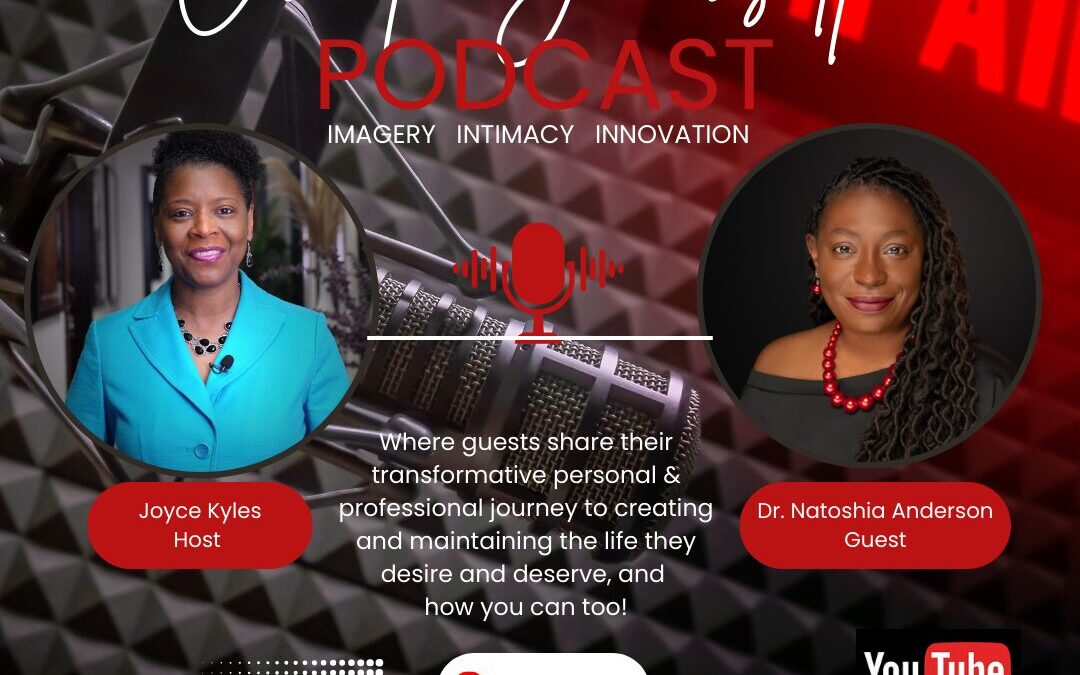
“Is that the box? I don’t want to be in it!” Dr. Toshia talks about corporate partnerships, mediation, affirmations, therapy, and the power of the ask. From engineer to STEM educator, this CEO, author, and curriculum developer has raised over $5 million for schools and nonprofits with a thriving business and podcast. Tune in, take notes, and connect.
Dr. Natoshia Anderson is a Mechanical Engineer turned STEM education leader, equity strategist, and author. As CEO of The Anderson Strategy Group, she designs global STEM programs, writes award-winning curricula, and leads professional development that has trained thousands of educators. She has raised over $5 million for schools and nonprofits and developed programs that have served over 100,000 students worldwide. Her podcast, STEMming in Stilettos™, amplifies the voices of minority women in STEM across the globe. She’s also the author of multiple books, including AI Lesson Planning Playbook, The ABC’s of AI, and the upcoming The Partnership Playbook: A Guide to Sustainable STEM Partnerships. She’s a leading voice in building equity by design in education and leadership.
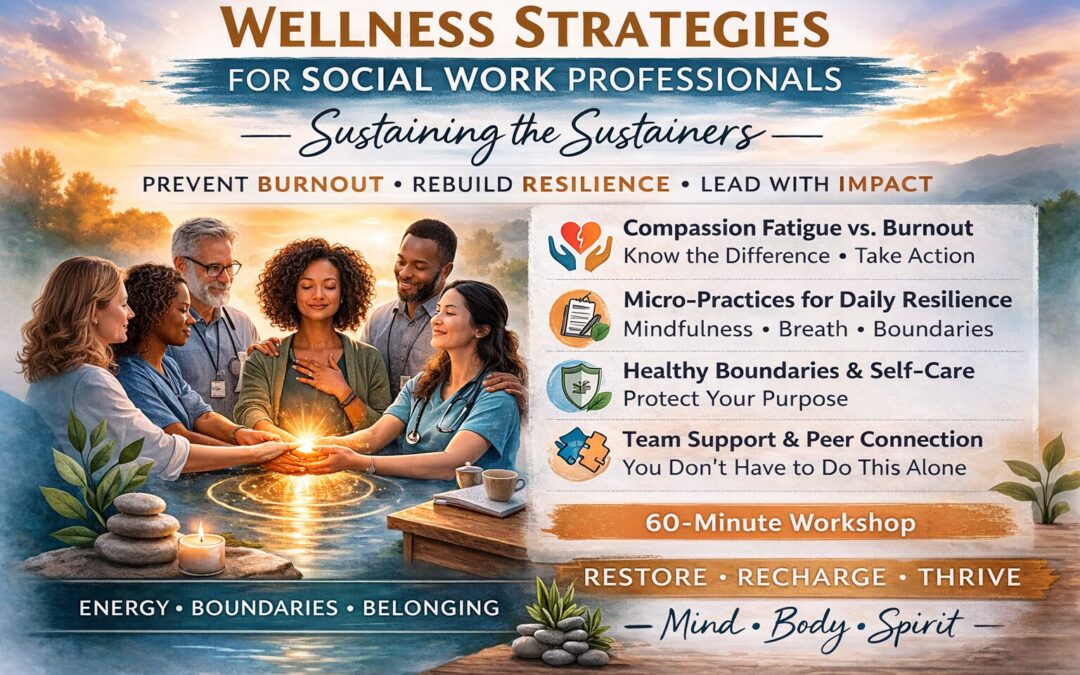
Social work calls for deep compassion, steady presence, and relentless care for others. This often comes at the expense of one’s own well-being. This 60-minute workshop creates space to name the difference between compassion fatigue and burnout, normalize the weight social workers carry, and offer practical ways to restore harmony without guilt. Participants will explore simple, realistic micro-practices that support resilience, strengthen healthy boundaries, and protect the purpose that drew them to this work in the first place. Because sustaining the mission starts with sustaining the people doing the work.
While this is definitely open to everyone (because wellness impacts us all), the emphasis will be on highlighting professionals in social work/social services to recognize March as Social Work Awareness Month.
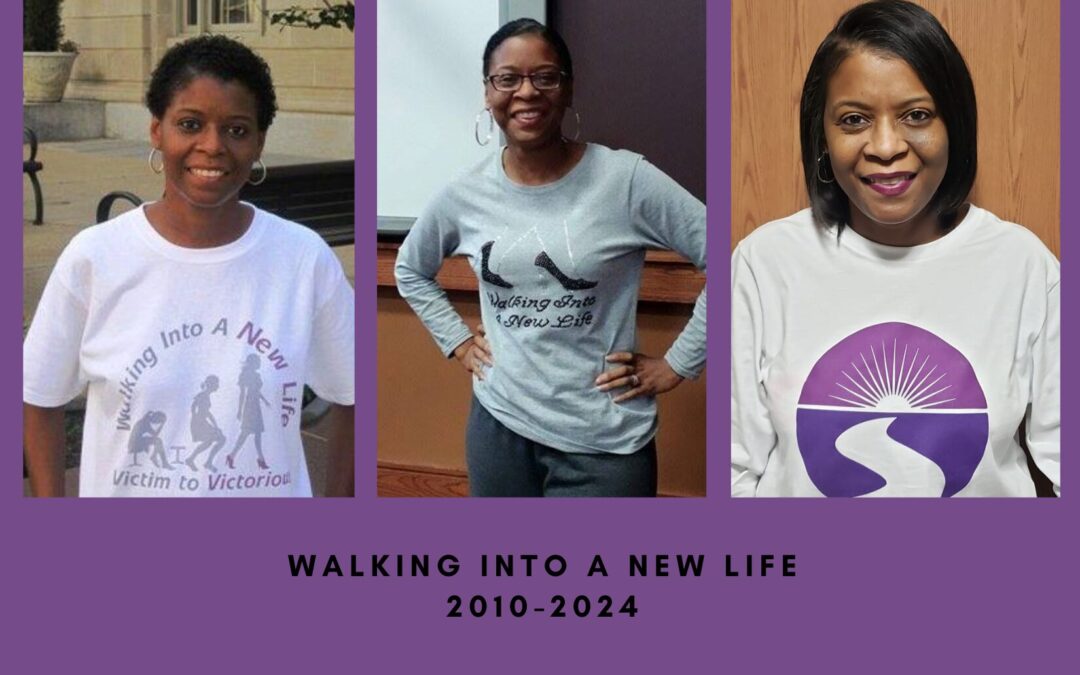
I officially closed the doors to my nonprofit exactly two years ago. The winding path and sunset in the first photo are even more meaningful now, as I offer my services to advise professionals on how to navigate the operational challenges they may be facing, personally and professionally.
When you hire me as your speaker, presenter, or coach, you are getting someone who understands that business and organizational transitions, transformations, and thriving are achievable, but not without the inclusivity of human-centered leadership and wellness strategies for work-life harmony and sustainability.
If we’re already working together, you already know I don’t take that for granted. If we’re not, I welcome the opportunity to do so. Let’s chat asap!